.png)

Wondering how certified data destruction reduces risk? Businesses and government agencies regularly manage sensitive information, including financial records, employee files, customer data, and confidential communications. When outdated computers, servers, hard drives, and storage devices are discarded improperly, organizations face serious security and compliance risks. Understanding how certified data destruction reduces business risk and liability helps IT managers protect sensitive information while lowering exposure to cyber threats, regulatory penalties, and costly breaches.
How Certified Data Destruction Reduces Business Risk
Many organizations assume that deleting files or reformatting a hard drive permanently removes data. In reality, deleted information can often still be recovered using specialized software. Certified data destruction uses secure methods that permanently eliminate data and help businesses maintain control over sensitive information throughout the disposal process.
For businesses and government agencies in Los Angeles and Orange County, secure data disposal is becoming increasingly important as cybersecurity threats continue to rise.
Protects Confidential Information
Every business stores valuable data that could create serious problems if exposed. This may include customer payment information, internal company records, employee files, contracts, healthcare data, or proprietary business materials.
Improper disposal of electronic devices can leave organizations vulnerable to data theft, fraud, and reputational damage. Even a single improperly discarded hard drive may expose years of confidential information. Certified destruction services help prevent unauthorized access by ensuring storage devices are securely destroyed or sanitized before disposal or recycling.
Supports Regulatory Compliance
Many industries must follow strict privacy and data protection regulations. Healthcare providers, financial institutions, educational organizations, and government offices are often required to securely dispose of sensitive electronic information.
Certified destruction providers typically issue Certificates of Destruction that document the disposal process and verify compliance with the applicable standards. This documentation can support audits, internal reporting, and regulatory requirements.
Learning how certified data destruction reduces business risk and liability enables organizations to strengthen compliance procedures while lowering the likelihood of penalties or legal issues arising from improper disposal practices.
Secure Data Destruction Methods
Professional data destruction providers use multiple secure methods depending on the type of equipment and the organization’s needs.
Physical Destruction
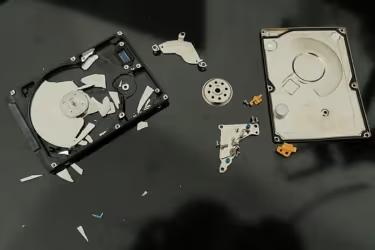
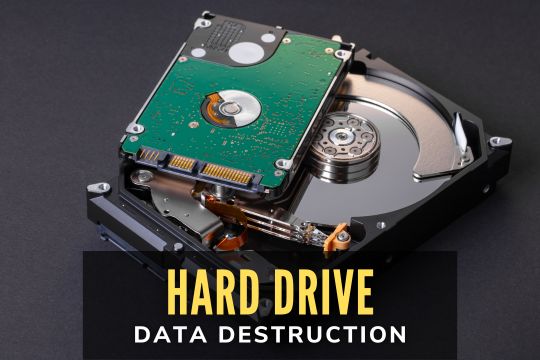
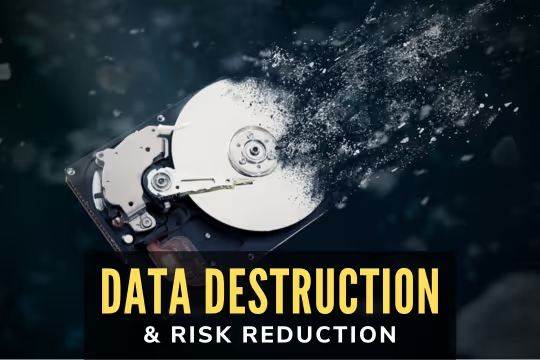
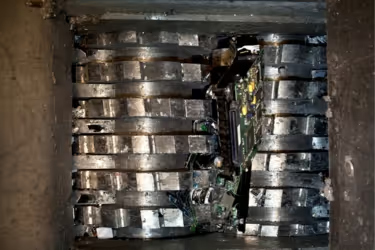
Physical destruction permanently damages storage devices, rendering data unrecoverable. Common methods include shredding, crushing, and dismantling hard drives, SSDs, backup tapes, and mobile devices.
This approach is commonly used for devices containing highly sensitive or regulated data.
Data Sanitization
Some businesses prefer to reuse or remarket retired equipment. Certified sanitization methods securely overwrite existing data to prevent recovery while allowing hardware to remain functional.
This option can support sustainability goals while still maintaining strong security standards.
Reduces Financial and Legal Exposure
Data breaches can create significant financial consequences for organizations. Costs may include legal fees, regulatory fines, incident response expenses, operational downtime, and customer notification requirements.
Beyond direct costs, businesses may also experience reputational damage that impacts customer trust and future opportunities. Certified data destruction helps lower these risks by ensuring retired devices no longer contain recoverable information.
For IT managers responsible for asset disposal, working with a certified provider adds an additional layer of protection and accountability during the IT asset disposition process.
Secure Disposal Matters
Understanding how certified data destruction reduces business risk and liability is essential for organizations handling sensitive information. Secure destruction methods help businesses protect confidential data, improve compliance, and reduce cybersecurity vulnerabilities associated with outdated equipment. Establishing proper disposal procedures also supports stronger operational security and long-term risk management strategies.
To learn more about disposal practices that can leave sensitive data vulnerable, review these ineffective data destruction methods.