.png)
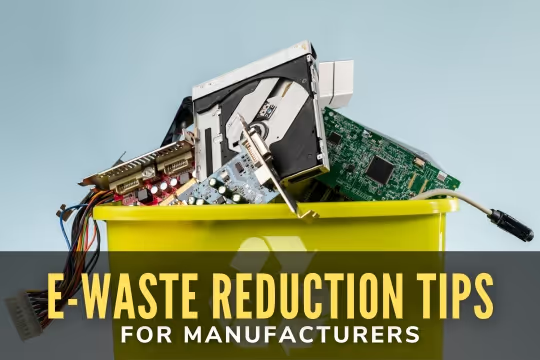

Manufacturers today are under growing pressure to operate sustainably while maintaining efficiency and profitability. Discover smart ways manufacturers can reduce e-waste during the production cycle and meet today’s green business expectations. By adopting electronic waste reduction strategies for manufacturers, organizations in Los Angeles and Orange County can align with environmental regulations, reduce costs, and strengthen their brand reputation.
How Manufacturers Can Reduce Electronic Waste Responsibly
Audit and Track Electronic Assets

A strong starting point is understanding what you have. Conduct regular audits of equipment, components, and electronic materials used throughout production. Tracking lifecycle data helps identify waste points early and ensures better planning for reuse, repair, or recycling.
For IT managers, this also means documenting outdated hardware and planning structured disposal instead of reactive replacements.
Design for Longevity and Repairability
Product design plays a major role in reducing e-waste. Manufacturers can minimize waste by:
- Using modular components that are easy to replace
- Designing products that can be repaired instead of discarded
- Selecting durable materials that extend product life
These steps reduce the frequency of disposal and support long-term sustainability goals.
Optimize Inventory and Production Processes
Overproduction and excess inventory often lead to unnecessary electronic waste. Smarter forecasting and lean manufacturing practices can help reduce surplus components that may become obsolete.
Implementing electronic waste reduction strategies for manufacturers at this stage ensures materials are used efficiently, and waste is minimized before it even occurs.
Partner with Certified E-Waste Recyclers
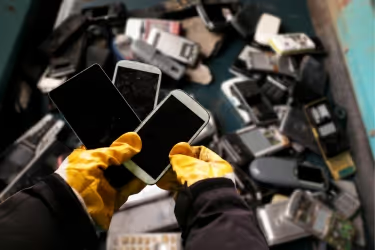
Working with certified recycling providers is essential for safe and compliant disposal. In regions like Los Angeles and Orange County, strict environmental regulations require proper handling of electronic waste.
A trusted recycling partner can:
- Ensure compliance with local and federal laws.
- Provide secure data destruction services.
- Offer documentation for environmental reporting.
This is especially important for businesses managing sensitive IT equipment.
Implement Take-Back and Reuse Programs
Encouraging reuse within your organization or through take-back programs can significantly reduce waste. Manufacturers can:
- Refurbish and redeploy internal equipment.
- Offer product return programs for customers.
- Donate usable electronics to organizations.
These initiatives extend the life of electronics and reduce landfill contributions.
Train Employees on Sustainable Practices

Even the best systems fail without proper awareness. Educate employees on how to handle electronic components responsibly, from production staff to IT teams.
Training should include:
- Proper disposal procedures
- Identifying reusable components
- Reducing unnecessary consumption of electronic parts
A culture of sustainability ensures consistent execution of your waste reduction goals.
Leverage Data for Continuous Improvement
Use data analytics to monitor waste generation and identify trends. Tracking metrics such as disposal rates, reuse percentages, and recycling outcomes helps refine your approach over time.
This allows manufacturers to continuously improve their electronic waste reduction strategies for manufacturers while meeting both operational and environmental targets.
Building a Sustainable Future Through Smarter E-Waste Management
Reducing e-waste is no longer optional for manufacturers operating in competitive markets like Southern California. It is a critical part of compliance, cost control, and corporate responsibility. By combining smart design, efficient processes, and responsible disposal methods, businesses can significantly lower their environmental impact.
To further strengthen your approach, explore the enterprise IT asset disposition (ITAD) benefits and discover how structured IT asset management can support long-term sustainability and data security goals.