.png)
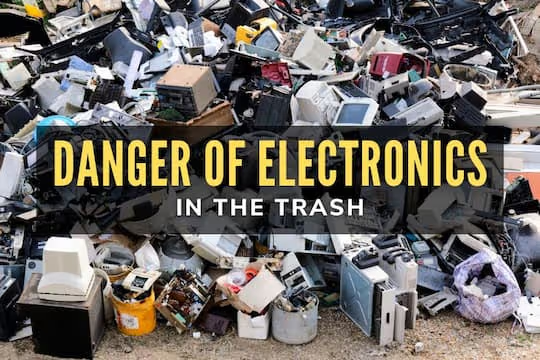

For busy IT managers in the Los Angeles and Orange County metro areas, it’s easy to treat old monitors, laptops, and peripherals as just another kind of office trash. However, these devices contain batteries, metals, and components that can create serious safety, environmental, and compliance problems when they’re thrown away with everyday waste. Discover the dangers of disposing of electronics in the regular trash, including toxic chemicals and fire risks, and explore safer, eco-friendly disposal solutions.
What Really Happens When E-Waste Goes in the Trash
Toxic metals and chemicals in landfills
Electronics contain hazardous substances, including lead, mercury, cadmium, and flame retardants. When devices break down in landfills, these substances can leach into soil and groundwater. For California businesses and government agencies, this raises:
- Environmental compliance concerns
- Potential liability issues if contamination is traced back to improper disposal
- Reputational damage if unsafe practices become public
In a region that prioritizes sustainability, like LA and Orange County, being linked to pollution can undermine your organization’s green commitments.

Fire risks from batteries
Modern electronics often contain lithium-ion or other rechargeable batteries. When crushed in trash compactors or damaged during collection, these batteries can short-circuit, overheat, and ignite.This can cause:
- Trash truck fires
- Facility fires in dumpsters, compactors, or loading docks
- Safety risks for janitorial and facilities staff
For IT managers, that’s not just a waste issue; it’s a workplace safety and risk management problem.

Data security and regulatory exposure
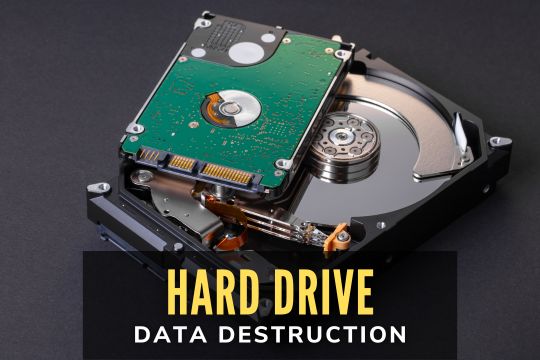
Old laptops, servers, hard drives, copiers, and even networking gear can still contain sensitive data, even after “deleting” files. If these devices are thrown out with regular trash:
- Drives can be recovered and data reconstructed.
- Sensitive customer or citizen information can be exposed.
- You may face non-compliance with privacy and data protection regulations, contracts, or internal policies.
When IT teams ignore the dangers of putting electronics in the regular trash, they expose their organization to potential data breaches and regulatory violations, issues that are far more costly than proper recycling.
Why IT Managers Should Lead E-Waste Policy
Centralized control and clear standards
IT departments are already responsible for asset tracking, lifecycle management, and data security. Extending that responsibility to end-of-life devices makes sense. A clear e-waste policy should cover:
- Which items qualify as e-waste
- How and where they’re stored before pickup
- Approved vendors for recycling and data destruction
- Documentation and certificates required for audits
Reducing operational and legal risk
With a documented process, IT managers can:
- Show due diligence during audits or incidents.
- Prove that data-bearing devices were destroyed or sanitized.
- Demonstrate that hazardous components were handled by certified recyclers.
This helps protect your agency or business from fines, lawsuits, and negative publicity.
Safer, Eco-Friendly Disposal Options in LA & OC
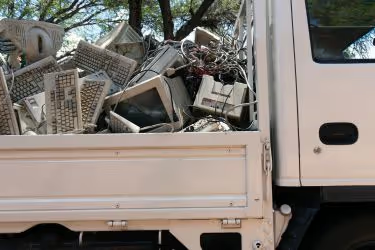
Work with certified e-waste recyclers
Partner with a certified electronics recycler that serves the Los Angeles and Orange County area and offers:
- Secure pickup from offices or data centers
- Proper handling of hazardous components
- Certificates of recycling and data destruction
This ensures compliance with California regulations and gives you documentation for internal records.
Build e-waste into your asset lifecycle
Instead of treating disposal as an afterthought, include it in your asset management plan:
- Tag devices with expected retirement dates.
- Schedule regular e-waste collection days.
- Require employees to return retired equipment to IT, rather than disposing of it in the trash.
Train staff and vendors
Finally, communicate the policy:
- Educate staff that electronics and batteries should never be placed in desk-side trash or regular dumpsters.
- Include instructions for remote workers returning devices.
- Coordinate with facilities teams so they know how to handle boxes of obsolete electronics.
Protect Your People, Data, and the Environment
For IT managers in Los Angeles and Orange County, recognizing the dangers of putting electronics in the regular trash is the first step. By transitioning to certified e-waste recycling, ensuring secure data destruction, and responsibly handling toxic materials, you safeguard your organization’s data, mitigate fire and safety risks, and contribute to a cleaner, more sustainable community.