.png)
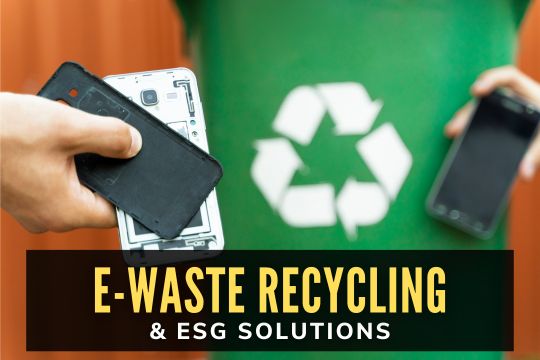

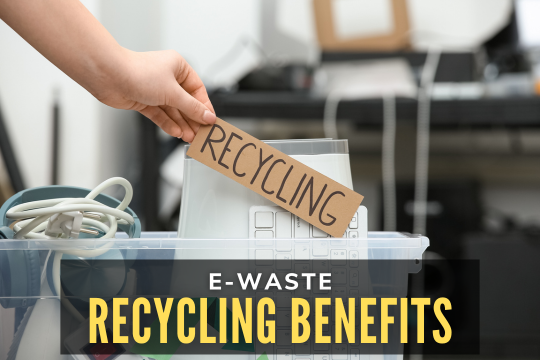
How does e-waste recycling support ESG reporting? Proper disposal improves sustainability metrics and helps businesses meet reporting goals by reducing landfill waste, supporting responsible asset management, and documenting environmental action. For IT managers across Los Angeles and Orange County, understanding how e-waste recycling helps ESG and sustainability reporting can make technology upgrades more strategic, measurable, and compliant with internal sustainability expectations.
Why E-Waste Matters in ESG Reporting
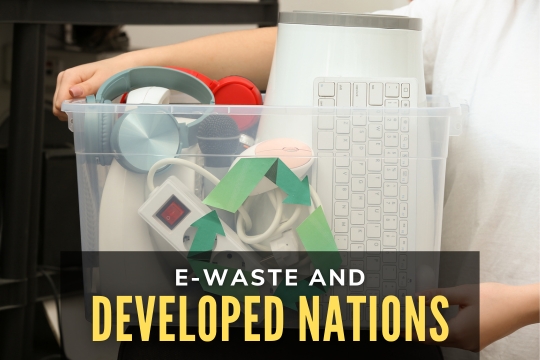
Electronic waste includes outdated computers, servers, monitors, printers, mobile devices, networking equipment, and other technology assets. When these items are not handled correctly, they can contribute to pollution, data security risks, and unnecessary waste. For businesses and government agencies, e-waste is more than an IT disposal issue. It is part of environmental responsibility, operational governance, and public accountability.ESG reporting depends on clear, trackable actions. E-waste recycling provides organizations with a practical way to demonstrate progress in reducing waste, recovering materials, and managing technology responsibly.
How E-Waste Recycling Supports Environmental Goals
Reduces Landfill Waste
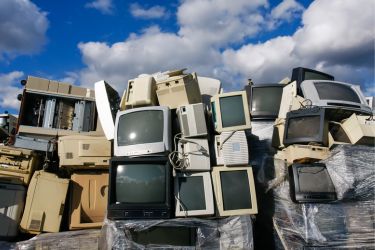
One of the clearest environmental benefits of e-waste recycling is waste diversion. Instead of sending old electronics to landfills, certified recycling helps recover usable materials such as metals, plastics, and components. This supports sustainability goals by reducing the volume of discarded equipment and limiting the environmental impact of improper disposal.
Supports Resource Recovery
Technological equipment contains materials that can often be reused or recovered. Recycling supports a circular economy by keeping valuable materials in use longer. For organizations with ongoing IT refresh cycles, this can become a repeatable sustainability practice rather than a one-time cleanup effort.
Helps Track Sustainability Metrics
Businesses and government departments need documentation to support ESG claims. A responsible e-waste recycling partner can provide records such as pickup details, asset counts, weight reports, and recycling summaries. These records help IT managers show measurable progress and explain how e-waste recycling helps ESG and sustainability reporting in a clear, practical way.
How E-Waste Recycling Supports Social Responsibility
E-waste recycling also supports the social side of ESG. Responsible disposal helps reduce exposure to hazardous materials and promotes safer handling of outdated electronics. For public agencies, schools, healthcare offices, and corporate facilities, proper recycling shows a commitment to protecting communities, employees, and the environment.
In Los Angeles and Orange County, where many organizations manage high volumes of office technology, responsible e-waste programs can also strengthen public trust. Businesses and government agencies can show that they are not only replacing equipment but also thinking carefully about what happens after devices leave the office.
How E-Waste Recycling Supports Governance
Improves Accountability
Governance focuses on policies, procedures, and responsible decision-making. E-waste recycling supports this by creating a clear process for handling retired IT assets. Instead of allowing unused electronics to sit in storage rooms or be discarded without documentation, organizations can follow a structured disposal plan.
Protects Sensitive Data

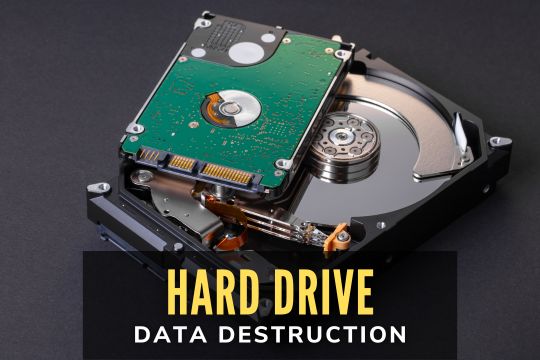
Many electronic devices store data even after they are no longer in use. Proper IT asset disposition may include data destruction, device tracking, and secure handling. This helps reduce risk and supports stronger internal controls.
Creates Better Reporting Records
For ESG reporting, documentation matters. Recycling reports, chain-of-custody records, and disposal certificates can help organizations support sustainability statements with real data. This makes reporting more accurate and easier to explain during reviews, audits, or internal planning.
Building a Better ESG-Aligned E-Waste Program
IT managers can improve results by creating a regular e-waste collection schedule, keeping an inventory of retired assets, working with qualified recyclers, and requesting documentation after each pickup. These steps make e-waste recycling easier to manage and more useful for ESG reporting.
The more consistent the process becomes, the easier it is to track progress over time. This is especially helpful for businesses and government offices with multiple departments, locations, or recurring equipment upgrades.
Turn E-Waste Into ESG Progress
Understanding how e-waste recycling helps ESG and sustainability reporting allows organizations to connect everyday IT decisions with larger sustainability goals. With the right recycling process, businesses and government agencies in Los Angeles and Orange County can reduce waste, protect data, improve reporting, and support stronger ESG performance. To keep improving your program, explore these innovative e-waste recycling strategies and look for new ways to make responsible disposal part of your long-term sustainability plan.