.png)
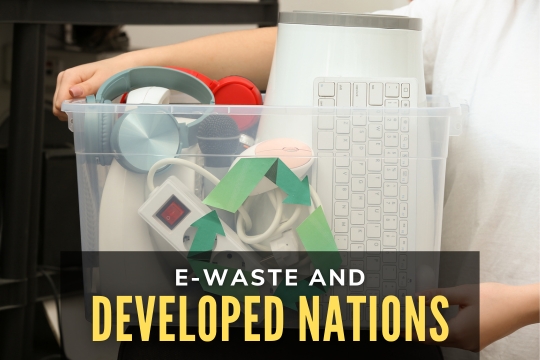

Developed nations rely heavily on technology to support business operations, government services, healthcare systems, education, and daily communication. As devices are replaced more quickly, the amount of discarded electronics continues to grow. This underscores the importance of understanding how developed countries contribute to global e-waste and how to reduce harmful export practices. Responsible electronics recycling is not only an environmental concern. It is also a compliance, data security, and corporate responsibility issue.
Why Wealthy Nations Export Tech Waste
Wealthy nations generate a large share of the world’s electronic waste because they consume and replace technology at a fast pace. Businesses, government offices, schools, and organizations often upgrade computers, servers, phones, monitors, and networking equipment to keep systems current and secure.
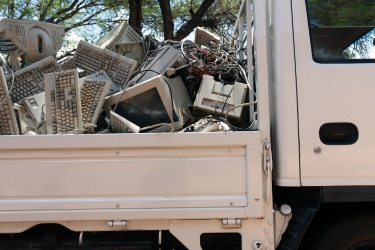
However, when old equipment is not handled properly, it may enter export channels instead of certified recycling systems. Some exporters send used electronics overseas under the label of “reuse” or “donation,” even when many of those items are broken, outdated, or unsafe to process.
Lower Processing Costs Overseas
One major reason e-waste is exported is cost. Proper recycling in the United States requires trained labor, secure handling, environmental controls, and compliance with state and federal rules. These protections come with real costs.
In countries with weaker regulations, e-waste may be processed more cheaply through unsafe methods. Workers may burn wires, break devices by hand, or use chemicals to recover small amounts of valuable metals. These practices can release lead, mercury, cadmium, flame retardants, and other hazardous materials into the air, soil, and water.
Demand for Secondhand Electronics
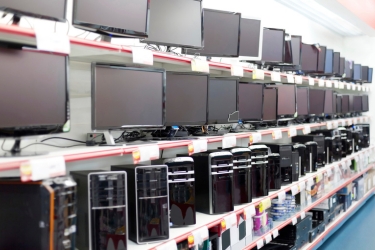
Not all exported electronics are waste. Some used equipment can be repaired, refurbished, and reused. This can help extend product life and support access to affordable technology.
The problem begins when unusable equipment is mixed with working devices. When broken electronics arrive in communities without safe recycling infrastructure, the burden shifts from the original generator to people and places least equipped to manage the risk. This is one key example of how developed countries contribute to global e-waste through poor sorting, weak documentation, and irresponsible downstream handling.
The Impact on Communities and the Environment
Improper e-waste handling can harm both people and ecosystems. Informal recycling workers may be exposed to toxic smoke, sharp materials, and contaminated dust. Nearby communities may experience polluted water sources and long-term soil contamination.
There is also a reputational risk for businesses and public agencies. Electronics that are exported irresponsibly may still contain asset tags, data-bearing devices, or identifying information. Even if equipment leaves the facility, the responsibility does not always end there.
What Organizations Can Do
Organizations play an important role in reducing unsafe e-waste exports. A strong asset disposition process should include inventory tracking, secure data destruction, certified recycling, and clear documentation.
Businesses and government departments should work with recyclers that provide transparent downstream reporting and follow responsible recycling standards. Equipment should be evaluated for reuse, resale, parts recovery, or proper recycling. Data-bearing assets should be wiped, shredded, or destroyed in accordance with internal security policies.
Building a Better Local Recycling Process
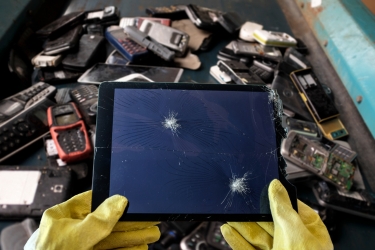
Local action matters. Organizations can reduce risk by choosing responsible electronics recycling partners close to home. This helps keep materials in verified recovery channels and supports a more accountable recycling process.
A better system starts before equipment leaves your building. Label assets clearly, separate reusable items from nonworking devices, and request certificates for recycling and data destruction. These steps help protect your organization while supporting safer environmental outcomes.
Responsible E-Waste Decisions Start Locally
Understanding how developed countries contribute to global e-waste helps businesses and governments make better choices. By avoiding questionable export paths and working with responsible recycling partners, organizations can protect data, reduce environmental harm, and support safer technology disposal. Learn more about the dangers of illegal e-waste exports and how better recycling decisions can protect vulnerable communities.